
 See My Latest Article on HelloNation
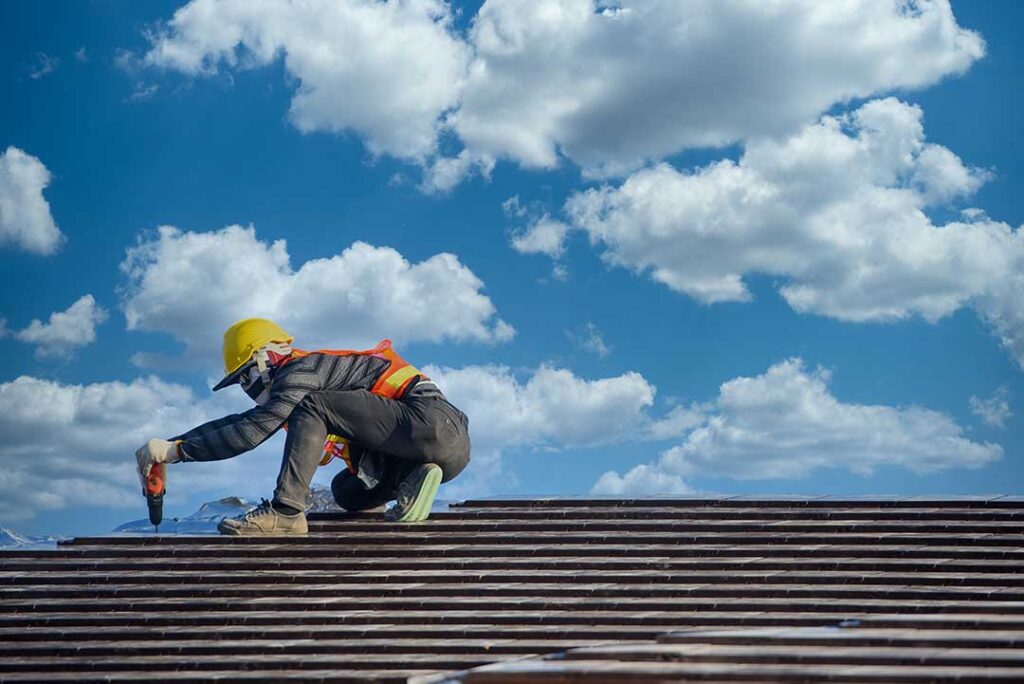
What usually shortens a roof’s service life?
A roof generally lasts longer when moisture, heat, wind, debris, and ventilation problems are identified before they cause widespread damage. In Dothan, AL, hot summers, heavy rain, humidity, thunderstorms, and occasional tropical weather can place repeated stress on roofing materials.
Roof aging is not caused by a single storm or one missed inspection. More often, small issues build over time:
- Leaves and pine debris hold moisture against shingles.
- Damaged flashing allows water to reach the roof deck.
- Poor attic ventilation increases heat and moisture buildup.
- Clogged gutters push water against fascia, soffits, and wall surfaces.
- Walking on shingles can loosen or fracture them.
- Delayed repairs allow minor leaks to spread.
Extending roof life depends on reducing these stresses and responding to warning signs early.
How often should a roof be inspected?
Most residential roofs benefit from a careful visual inspection at least twice a year, commonly in spring and fall. An additional inspection is sensible after a severe thunderstorm, high-wind event, or period of unusually heavy rain.
A basic ground-level review can look for:
- Missing, cracked, curled, or lifted shingles
- Dark streaks or patches that may indicate algae or persistent moisture
- Sagging areas along the roofline
- Damaged or detached gutters and downspouts
- Exposed or rusted metal flashing
- Granules collecting in gutters or near downspout outlets
- Loose ridge caps or visible storm debris
A roof does not need to look severely damaged for water intrusion to begin. Small openings around vents, chimneys, skylights, valleys, and wall intersections can admit water during wind-driven rain.
Roof surfaces can be slippery, especially after rain or when covered with algae. A ground inspection is safer for most residents. Areas that are steep, fragile, or difficult to access should not be climbed without proper fall protection.
Why do gutters and downspouts matter?
Gutters help move roof runoff away from the structure. If they are clogged or poorly draining, water can overflow against fascia boards, siding, trim, and foundations.
Clean gutters at least twice a year and check them more often when trees drop leaves or fine debris. Downspouts should discharge water far enough away that it does not collect beside the foundation. Extensions, splash blocks, or properly directed drainage can help, provided they do not create a tripping hazard or send water toward a neighboring structure.
Watch for these gutter problems:
- Water spilling over the front edge during rain
- Gutters pulling away from the roofline
- Rusted seams or separated joints
- Downspouts that drain directly beside the foundation
- Soil erosion beneath discharge points
Keeping gutters clean does not prevent every roof problem, but it reduces the chance that ordinary rainfall will cause avoidable damage around the roof’s edges.
How does attic ventilation affect roof life?
Balanced attic ventilation helps release heat and moisture. Intake ventilation near the lower roof edge and exhaust ventilation near the upper roof area work together to move air through the attic.
Inadequate ventilation can contribute to:
- Excessive summer heat in the attic
- Premature aging of shingles
- Condensation on roof framing or fasteners
- Damp insulation
- Mold or wood decay
- Ice-related problems in colder climates
Although prolonged freezing conditions are less typical in this region, attic moisture remains a concern. Warm, humid air from bathrooms, kitchens, or laundry areas can enter the attic if exhaust fans vent into that space rather than outdoors.
Ventilation should not be treated as simply adding more openings. Intake and exhaust points need to be balanced, and insulation should not block the intended airflow path. Changes near soffits, insulation, or roof vents may require careful evaluation because poorly planned modifications can worsen moisture problems.
What maintenance should be done around roof penetrations?
The most vulnerable areas are often not the broad, flat portions of the roof. Water commonly enters around penetrations and transitions, including:
- Plumbing vent pipes
- Roof vents
- Chimneys
- Skylights
- Valleys
- Wall-to-roof intersections
- Dormers and attached structures
- HVAC or satellite equipment supports

Flashing directs water around these areas. Sealants can deteriorate, but adding new caulk over old, failed material is not a permanent solution if the underlying flashing is loose, corroded, or incorrectly installed.
Look inside the attic for damp insulation, darkened wood, water stains, or daylight visible around penetrations. A stain may remain after the roof has dried, so its location does not always identify the exact entry point. Water can travel along framing before appearing indoors.
Should moss, algae, and debris be removed?
Organic debris should be removed carefully because it can retain moisture and encourage decay. Branches should not be dragged across shingles, and pressure washing can strip protective granules or force water beneath roofing materials.
Dark streaks on shingles are often associated with algae. They may be primarily cosmetic, but persistent moisture and debris can shorten the life of some roofing systems. Cleaning methods should follow the roofing material manufacturer’s guidance. Harsh chemicals, abrasive tools, and high-pressure equipment can create more damage than the growth itself.
Trees near a house should be trimmed when branches rub against the roof, scrape during wind, or drop large amounts of debris. Tree work near power lines or steep roof edges presents its own hazards and should not be attempted casually.
How can storm damage be reduced?
Storm preparation helps limit damage before severe weather arrives. Secure loose outdoor objects, keep gutters clear, and inspect vulnerable roof edges before storm season. Branches that overhang the roof should be addressed before high winds turn them into impact hazards.
After a storm, check for:
- Shingles in the yard or on the ground
- Exposed underlayment or roof decking
- Bent metal edging
- Detached gutters
- Punctures from branches or debris
- Water stains on ceilings or upper walls
- Damp attic insulation
Temporary measures may be necessary when rain is entering, but tarps, ladders, and wet roof surfaces can be dangerous. Electrical hazards, active leaks near light fixtures, structural sagging, or extensive storm damage require immediate caution. In those situations, occupants should avoid the affected area and seek qualified assistance for safe evaluation and repairs.
Is roof coating a solution for every roof?
No. Coatings may be appropriate for certain low-slope roofing systems, but they are not a universal method for extending the life of an asphalt-shingle roof. Applying a coating over damaged, wet, or poorly ventilated materials can conceal problems without correcting them.
Before considering any coating or treatment, the roof’s material, slope, age, drainage, and existing condition should be evaluated. A repair, flashing replacement, ventilation correction, or full replacement may be more suitable than adding another surface layer.
Likewise, painting shingles or using household sealants is generally not a substitute for correcting the source of deterioration.
When does maintenance stop being enough?
Maintenance can extend useful life, but it cannot reverse widespread aging or structural deterioration. Replacement may become more practical when a roof has extensive granule loss, repeated leaks, widespread cracking, sagging decking, deteriorated flashing, or multiple layers of failed repairs.
Roof age is only one factor. A well-maintained roof may perform beyond its expected service period, while a neglected roof may develop serious problems earlier. Local weather exposure, roof orientation, ventilation, installation quality, material type, and nearby trees all affect performance.
Keeping records of inspections, repairs, storm events, and recurring leak locations makes it easier to recognize patterns. Consistent care does not guarantee that a roof will avoid every storm or leak, but it can reduce preventable damage and help residents make informed decisions before a minor defect becomes a larger building problem.