
 See My Latest Article on HelloNation
How Does Regular Roof Maintenance Prevent Costly Repairs?
Consistent upkeep helps area residents identify minor roofing issues before they lead to significant structural damage. In Dothan, regular maintenance can reveal cracked or missing shingles, clogged gutters, and other vulnerabilities that develop quietly over time due to frequent rainstorms and intense summer sun. By catching these early, larger problems—such as leaks or rotten decking—are avoided, which can prevent unexpected and expensive emergency repairs. Homeowners who visually inspect their roof as the seasons change, and after notable weather events, often find that small actions like replacing a couple of damaged shingles or clearing drainage pathways can save hundreds to thousands of dollars down the road.
What Local Weather Risks Make Roofing Care Essential?
The weather in Dothan brings unique challenges for roofs. Hot, humid summers combine with frequent rainfall and the occasional bout of strong winds from severe thunderstorms. The region's long growing season means tree branches often expand over roofs, dropping twigs or leaves that invite blocked gutters and standing water. These conditions encourage mold, algae, and moss growth, which weaken roof materials if ignored. Maintenance routines tuned to the local climate—such as twice-yearly checks, especially before hurricane season and after leaf fall—are the simplest way to manage these ongoing risks. Local households often underestimate how quickly a buildup of organic debris or a single hailstorm can shorten a roof’s useful life.
Can Ongoing Maintenance Improve Energy Efficiency?
Yes, and it matters for households concerned about rising utility bills. Clean, intact roofing materials reflect heat more efficiently and prevent moisture from degrading insulation in the attic. In Dothan, where air conditioning is often essential from spring through early autumn, keeping the roof in top shape can help better regulate indoor temperatures. Residents who combine roof maintenance with routine attic inspections, ensuring vents aren't blocked and insulation stays dry, may notice a marked improvement in comfort and lower energy use.
How Does Regular Attention Extend a Roof’s Lifespan?
Routine cleaning and quick repairs extend the period before full replacement is needed. Area homes, especially those with asphalt shingles, can see a roof last several years longer with attentive care. Neglected small leaks can rot out underlying wood, while layers of leaves or moss trap moisture and break down protective surfaces. In the local context, where high humidity and wind-driven rain wear away at sealants and flashing, keeping up with maintenance means roofs remain watertight and resilient for a longer period—helping homeowners make the most of their original investment.
What Are the Signs That Maintenance Is Needed?
Recognizing when maintenance is overdue can prevent more severe issues. Look for:
- Shingles that are curling, cracking, or missing.
- Dark streaks or patches, which can mean algae or moss growth.
- Rust spots on flashing, vents, or other metal rooftop components.
- Water stains on ceilings or walls inside the home.
- Debris buildup in gutters or visible plant growth in roof valleys.
Gutters overloaded with pine needles—a common sight during the region's pollen-heavy spring—or areas where granules have washed away from shingles should be addressed promptly. Regular checks from the ground with binoculars, or from a sturdy ladder, can help spot these warning signs without putting safety at risk.
Are There Common Local Misconceptions About Roof Maintenance?
A frequent misunderstanding is that a brand new or recently replaced roof doesn’t require attention for many years. In reality, even new roofs in Dothan benefit from seasonal cleaning and light checks, particularly after severe storms or when large amounts of pollen or leaves have settled. Another misconception is that moss and algae are purely cosmetic; in this climate, unchecked growth can erode materials and lead to leaks. Some residents also believe that insurance will cover all weather-related roofing issues, but policies often exclude damage that results from neglect, making maintenance all the more important.
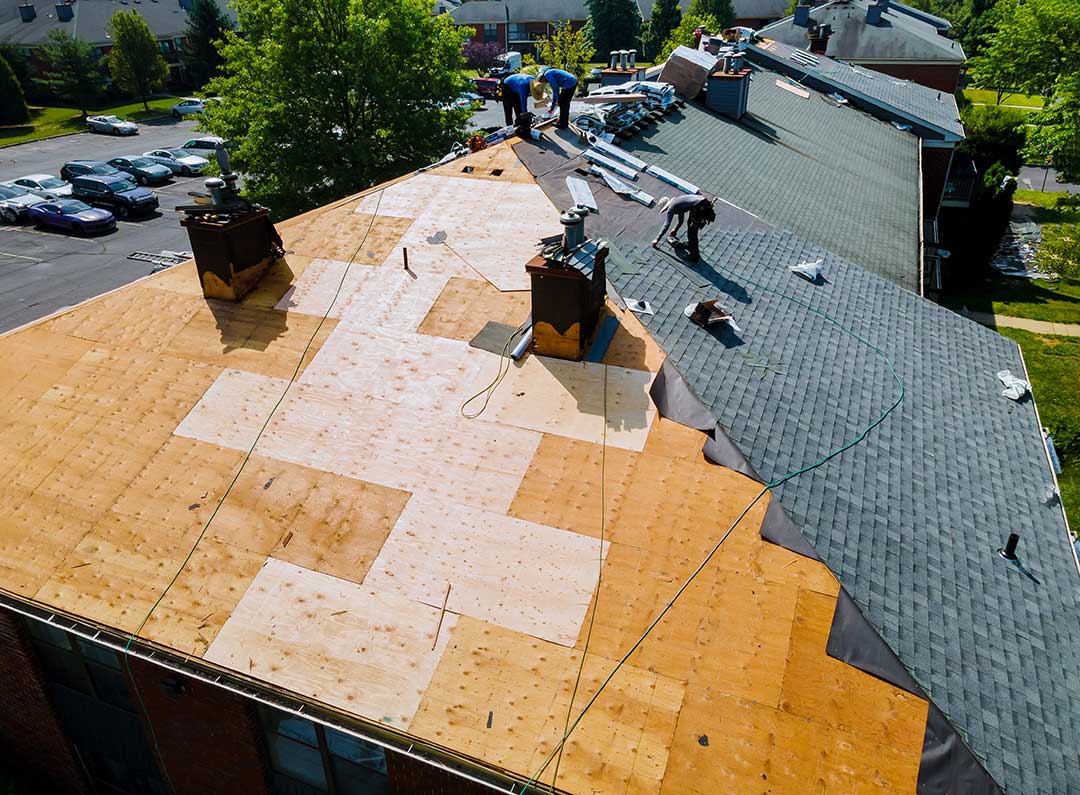
What Simple Maintenance Steps Can Residents Take Themselves?
Many maintenance tasks are manageable for homeowners with safe access and basic tools:
- Clearing leaves, sticks, and seed pods from gutters and roof surfaces.
- Trimming tree branches that overhang and shade the house.
- Checking and resealing visible flashing and exposed nail heads with a suitable sealant.
- Looking for evidence of animal activity—like nests or chewed vents—which are more common around wooded neighborhoods.
- Checking inside the attic after storms for wet spots or daylight coming through the roof boards.
Staying ahead of these routine tasks allows residents to avoid long-term damage caused by water intrusion, mold, or pests—especially in neighborhoods with mature landscaping.
When Does Roof Care Require More Than DIY Attention?
Safety should always come first. For steep, high, or slippery roofs, or if signs of extensive damage (such as sagging rooflines or widespread leaks) appear, residents are best served by consulting housing authorities or relevant municipal guidelines on permitted repairs and safety standards. This is especially true in neighborhoods with older or multi-story homes. Certain repairs may also need to follow local building codes to maintain compliance with insurance requirements.