

 See My Latest Article on HelloNation
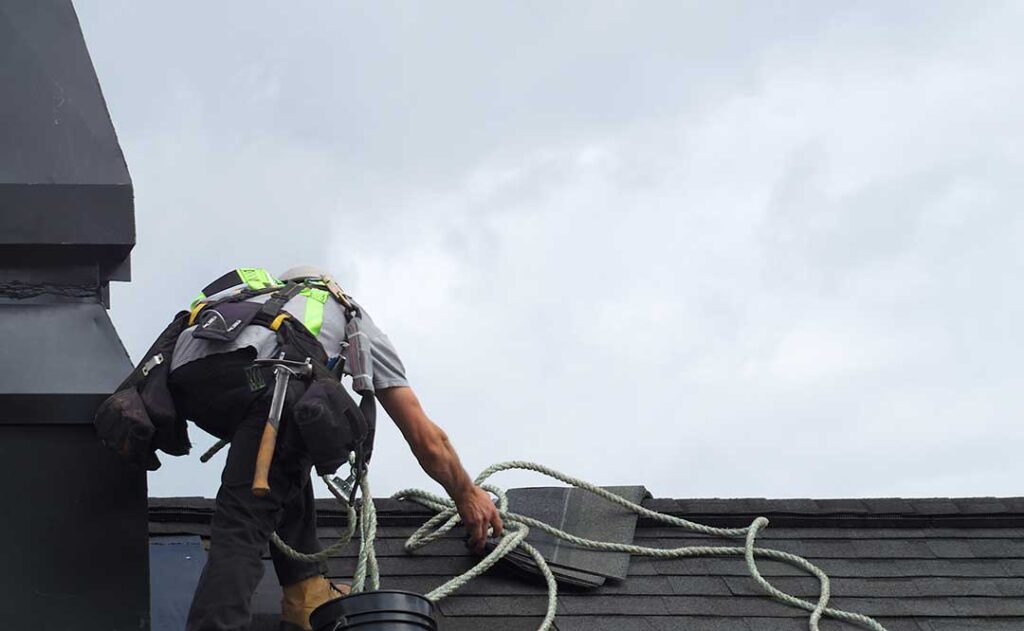
Roof maintenance is mostly about spotting small problems before they become leaks, structural damage, or expensive repairs. For homeowners in Dothan, AL, regular inspections are especially useful because roofs face intense sun, heavy rain, humidity, wind, and occasional tropical weather conditions.
DIY maintenance can safely cover visual checks, gutter cleaning, light debris removal, attic observation, and basic preventive care. Work that requires climbing onto a steep, wet, or damaged roof should be treated differently because falls are a serious hazard.
How often should a roof be checked?
A roof should receive a basic visual inspection at least twice a year, with additional checks after severe weather. Early spring and late fall are practical times to look for problems, while post-storm inspections can identify wind or debris damage before water reaches the interior.
Look at the roof from the ground first. Binoculars can help inspect shingles, flashing, vents, and other details without stepping onto the roof.
Check for:
- Missing, cracked, curled, or visibly lifted shingles
- Dark areas that may indicate moisture or algae growth
- Exposed fasteners or damaged flashing around roof penetrations
- Sagging sections along the roofline
- Loose or detached gutters
- Tree limbs, leaves, pine straw, or other debris collecting on the roof
- Granules accumulating near downspouts
A roof does not need to look dramatically damaged to have a developing leak. Small defects around flashing and roof penetrations are common sources of water entry.
What roof maintenance can safely be done from the ground?
Many useful maintenance tasks do not require walking on the roof. Ground-level observation is safer and can reveal conditions that deserve closer attention.
After rainfall, inspect the exterior walls, ceilings, and attic for signs of moisture. Inside the home, watch for:
- Brown or yellow ceiling stains
- Peeling paint or bubbling drywall
- Damp insulation
- Musty odors
- Mold-like spotting
- Daylight visible through the roof deck
- Water marks around chimneys, vents, or ceiling fixtures
A roof leak may not appear directly below the damaged area. Water can travel along rafters, roof decking, insulation, and wiring before becoming visible indoors.
From the ground, also check whether gutters are sagging or overflowing. Water spilling over a gutter during ordinary rain can soak fascia boards, siding, foundations, and landscaping.
How should gutters and downspouts be maintained?
Gutters should be cleared when leaves, pine straw, and other debris restrict water flow. In a humid climate with frequent vegetation growth, this may be needed more than once a year.
Use a stable ladder on level ground, keep both hands available when possible, and avoid reaching too far sideways. A ladder should never rest against the gutter itself. Wear gloves because gutters can contain sharp metal edges, insects, and decomposing organic material.
After removing debris:
1. Flush the gutter with a hose.
2. Confirm that water flows toward the downspout.
3. Check for leaks at seams and end caps.
4. Make sure downspouts remain connected.
5. Confirm that discharge moves water away from the foundation.
Downspouts should not release water directly beside the house. Extensions or splash blocks can help direct runoff away from foundation walls and crawl spaces.
Should homeowners remove roof debris?
Light debris can sometimes be removed from the ground with a roof-safe tool designed for that purpose. Avoid dragging equipment across shingles, scraping the surface, or using high-pressure water.
Leaves and pine straw can trap moisture against roofing materials. Branches may scratch protective surfaces or puncture shingles, especially after wind. Wet debris is also heavier and can place additional strain on weak areas.
Do not walk on a roof simply to remove a small amount of debris. Shingles can become brittle from age or heat, and hidden damage may make the surface less stable than it appears.
Large limbs, embedded branches, or debris resting near electrical equipment should not be handled as a routine DIY task.
How can roof ventilation be checked?
Proper attic ventilation helps manage heat and moisture, but homeowners should not block vents or alter the system without understanding how the roof is designed.
From outside, check that visible soffit, ridge, gable, or other ventilation openings are not blocked by leaves, nests, insulation, or accumulated dust. Inside the attic, look for:
- Condensation on nails or roof decking
- Damp insulation
- Rusted fasteners
- Mold-like discoloration
- Excessive heat
- Warped or deteriorated wood
Bathroom and kitchen exhaust fans should vent outdoors rather than into the attic. Moist indoor air released into a hot attic can contribute to condensation and material deterioration.
Do not add or seal vents based only on appearance. Ventilation needs to work as a balanced system, with intake and exhaust openings appropriate for the roof design.
How should roof growth be handled?
Algae, moss, and organic growth should be approached cautiously. Dark streaks on shingles are often algae-related and may be mainly cosmetic, while moss can lift shingle edges and hold moisture against the roof.
Avoid pressure washing. High-pressure water can remove protective granules, force water beneath shingles, and shorten roof life. Also avoid scraping growth aggressively with a shovel, stiff brush, or similar tool.
If a cleaning treatment is used, it should be appropriate for the roofing material and applied according to the manufacturer’s instructions. Protect plants, outdoor surfaces, and drainage areas from runoff. Some cleaning chemicals can damage landscaping or corrode metal components.
Overhanging branches can increase shade, debris, and moisture on the roof. Carefully maintained tree clearance can reduce these conditions, but cutting large limbs near the house may create a separate safety hazard.
What should be checked after strong wind or heavy rain?

After severe weather, inspect the roof from the ground and check interior spaces for leaks. Wind damage may include missing shingles, lifted edges, exposed underlayment, damaged flashing, and displaced ridge materials.
Heavy rainfall can reveal drainage problems that are not obvious during dry conditions. Look for overflowing gutters, water collecting near the home, and new stains in ceilings or walls.
Do not climb onto a roof with:
- Wet or slick surfaces
- Missing sections
- Sagging areas
- Visible holes
- Loose materials
- Nearby downed power lines
- Structural damage from fallen trees
If emergency protection is needed, keep people away from the affected area and document the condition with photographs from a safe location. Temporary interior measures, such as placing containers under active drips, can limit damage while avoiding electrical fixtures and wet wiring.
Which roof problems are not good DIY projects?
DIY maintenance is appropriate for observation and light upkeep, not for every repair. Avoid attempting work involving steep slopes, fragile roofing, structural damage, electrical hazards, extensive leaks, or uncertain roof materials.
Extra caution is warranted when a roof has:
- Significant age-related deterioration
- Widespread missing or damaged shingles
- Soft or springy decking
- Sagging rafters or rooflines
- Repeated leaks
- Damaged chimneys, skylights, or roof penetrations
- Suspected asbestos-containing materials
- Storm damage that may affect the roof structure
Roof access also becomes riskier during hot weather, after rain, or when surfaces are covered with algae or loose granules. A ground-level inspection often provides enough information to determine whether additional evaluation is necessary.
What records should homeowners keep?
Keep a simple maintenance record with inspection dates, weather events, photographs, gutter cleaning, visible changes, and any repairs. Photographing the same roof sections over time makes gradual wear easier to identify.
Useful records include:
- The approximate roof installation date
- Roofing material and color
- Past leak locations
- Dates of major storms
- Gutter and downspout maintenance
- Attic moisture observations
- Photos of flashing, vents, and roof edges
Consistent observation is more valuable than a single detailed inspection. A roof that is checked regularly is more likely to show warning signs before a minor defect becomes interior damage.