

 See My Latest Article on HelloNation
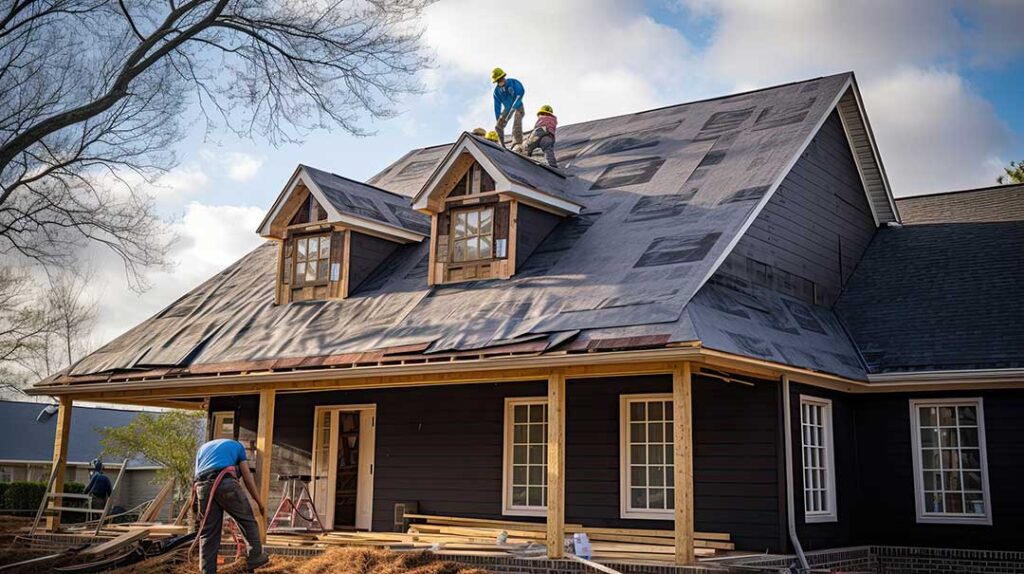
Does the roof really affect energy efficiency?
Yes. A roof influences how much heat enters a home, how hard the air-conditioning system must work, and whether conditioned air is lost through the attic. In Dothan, where summers are long, hot, and humid, roof and attic conditions can have a noticeable effect on comfort and electricity use.
The roof itself is only one part of the system. Energy performance also depends on:
- Insulation levels above the ceiling
- Air sealing around attic openings
- Attic ventilation or a properly designed unvented attic
- Roof color and surface reflectivity
- Ductwork located in the attic
- Moisture control and roof maintenance
A roof can be in good physical condition and still contribute to high cooling costs if heat and air are moving through the attic improperly.
How does attic insulation improve efficiency?
Attic insulation slows the movement of heat between the roof space and the rooms below. During hot weather, it helps keep heat from the roof deck and attic from reaching the ceiling. During cooler weather, it helps retain indoor heat.
Insulation works best when it is continuous and installed at an appropriate depth. Thin, compressed, uneven, or disturbed insulation provides less protection than its appearance may suggest. Common problem areas include:
- Bare sections near attic edges
- Insulation pushed aside for wiring or storage
- Gaps around recessed lights
- Uninsulated attic access panels
- Areas where wind has moved loose-fill insulation
- Moisture-damaged or compacted material
Air sealing should generally occur before additional insulation is added. Small openings around plumbing pipes, electrical wiring, duct penetrations, and ceiling fixtures can allow conditioned air to escape into the attic. Adding insulation without addressing those leaks may hide the problem without fully correcting it.
What is the difference between air sealing and ventilation?
Air sealing limits unwanted air movement between the living space and attic. Ventilation manages air movement within the attic or roof assembly. These functions are different and should not be treated as substitutes.
A properly designed vented attic commonly uses intake openings near the eaves and exhaust openings near the upper roofline. This arrangement can help remove heat and moisture from the attic. However, ventilation will not correct major air leaks through the ceiling, and it does not replace insulation.
In hot, humid conditions, opening windows or relying on uncontrolled outdoor air is not an efficient cooling strategy. Outdoor air can bring additional moisture into the home. Attic ventilation should move air through the attic space without allowing humid outside air to enter the living area.
An unvented, conditioned attic can also work, but it requires a carefully designed roof assembly. Insulation and air control are moved to the underside of the roof deck, and moisture management becomes especially important. The design should match the roof structure, insulation material, and local climate.
Can a lighter-colored roof lower cooling demand?
A reflective roof surface can absorb less solar heat than a dark, nonreflective surface. This may reduce roof temperatures and lessen the amount of heat transferred into the attic, especially during sunny summer afternoons.
The benefit depends on the entire building system. A reflective roof may have a smaller effect in a home with excellent insulation and well-sealed ceilings. It may provide more noticeable improvement where attic insulation is limited, the roof receives strong sun, or the ductwork is located in a hot attic.
Roof color should not be judged by appearance alone. Reflectivity, roof material, roof slope, attic design, insulation, and shading all influence performance. A light-colored roof is not automatically energy efficient, and a dark roof is not automatically inefficient.
Replacing a roof solely for energy savings may not be justified in every situation. If the existing roof is near the end of its service life, energy performance can be considered along with durability, water management, and installation quality.
Why does attic ductwork matter?
Ductwork in an unconditioned attic may be exposed to extreme temperatures. When ducts leak, separate at joints, or have inadequate insulation, cooled air can be lost before it reaches the rooms.
Even sealed ducts must work harder when surrounded by very hot attic air. Possible warning signs include:
- Rooms that stay warmer than the thermostat setting
- Large temperature differences between rooms
- Excessive dust near supply registers
- Airflow that seems weak
- Higher cooling use without a clear change in household habits
- Duct insulation that is damaged, compressed, or missing
Duct sealing and insulation can improve performance, but the work must avoid blocking roof ventilation or creating gaps in the attic insulation. Ducts should also be supported properly rather than crushed or sharply bent.
Does roof ventilation prevent moisture problems?
Proper ventilation can help remove attic heat and moisture, but it is not a cure for every moisture issue. Water stains, mold-like growth, damp insulation, rusted fasteners, or musty odors may result from roof leaks, plumbing leaks, bathroom exhaust entering the attic, condensation, or inadequate air sealing.
Bathroom and kitchen exhaust should discharge outdoors through suitable vents, not into the attic. Exhausting humid air into the roof space can wet insulation and roof framing over time.
Ventilation openings also need protection from wind-driven rain, insects, and animals. More vents are not always better. Intake and exhaust openings must work together, and adding an exhaust vent without adequate intake air can reduce the effectiveness of the system.
What roof and attic checks can residents make safely?
A basic inspection from the ground and from accessible indoor areas can identify issues without climbing onto the roof. Look for:
- Missing or damaged shingles
- Sagging roof lines
- Stained ceilings or attic sheathing
- Blocked soffit openings
- Daylight visible around attic penetrations
- Uneven insulation coverage
- Unsealed attic access panels
- Rust, dampness, or deteriorated wood
- Exhaust ducts that stop inside the attic
Do not walk on a roof when surfaces are wet, steep, damaged, or otherwise unsafe. Attics can also become dangerously hot, particularly during summer afternoons. Electrical wiring, unstable framing, nails, and limited ventilation create additional hazards.
Roof repairs, electrical concerns, structural damage, and suspected mold or extensive moisture problems require qualified evaluation because incorrect work can create safety risks or worsen the roof assembly.
Which improvements usually deserve priority?
For many homes, the most practical sequence is to address water intrusion first, then correct major air leaks, improve insulation coverage, and evaluate attic ventilation and ductwork. Roof surface changes may be useful when reroofing is already necessary, but they are not always the first energy-efficiency measure.
A sensible review considers the whole roof system:
- Is the roof shedding water reliably?
- Is the ceiling plane reasonably airtight?
- Is insulation deep, dry, and evenly distributed?
- Are intake and exhaust vents functioning as designed?
- Are ducts sealed and insulated?
- Is moisture being controlled?
- Does the roof surface absorb unnecessary solar heat?
Improving one part while neglecting the others can produce disappointing results. In the local hot-humid climate, energy efficiency depends less on a single roofing feature than on keeping heat, air, and moisture under control as a coordinated system.