

 See My Latest Article on HelloNation
How Can You Tell If a Roof Has Early Damage?
Early roof damage can be subtle but catching it early helps Dothan households avoid leaks, more costly repairs, or even replacement. Residents can spot potential problems by observing changes both inside and outside the home.
Common signs include changes in shingle appearance, discoloration on ceilings, or small issues around roof features like vents and flashing. Regular awareness is especially helpful in Dothan’s climate, where seasonal storms and humidity add extra stress to local roofs.
What Should You Look For on Shingles and Roof Surfaces?
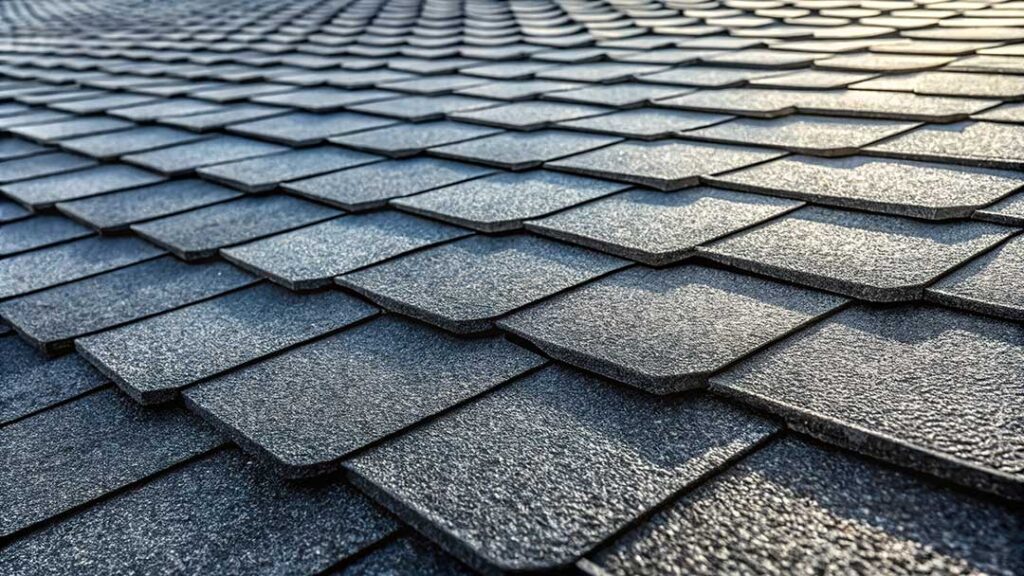
Shingles are the roof’s first layer of defense, and several changes may signal early trouble. Watch for:
- Shingles that are curling, cracking, or appear to be buckling
- Bald spots where granules are missing, which exposes the underlying material
- Dark, patchy, or inconsistent coloring that might indicate water absorption or mold growth
In Dothan, heavy rain and strong sun can accelerate shingle aging. Roofs shaded by nearby trees may develop more lichen or algae, which appear as streaks or patches and can retain moisture—potentially weakening the surface over time.
How Do Interior Signs Point to Roof Problems?
Evidence of roof damage often shows up inside homes before obvious exterior problems are noticed. Key indicators include:
- Water stains or brownish rings appearing on ceilings or upper wall corners
- A musty smell in attics or upstairs rooms, which may signal hidden leaks or mold
- Paint or plaster peeling near the ceiling line
These symptoms may go unnoticed in infrequently used areas like attics or storage rooms. After strong winds or heavy rain, it’s a good habit for Dothan residents to briefly check upper-floor rooms and attic spaces for subtle moisture marks or dampness.
Are Flashing, Vents, and Gutters Prone to Early Issues?
Roof features designed for ventilation and water control can develop trouble spots. Damaged or unsealed flashing—thin metal strips around chimneys, skylights, and vents—often causes leaks even when shingles look fine.
Examine these areas for:
- Rusted, bent, or missing flashing
- Gaps or loose caulking around vent pipes and skylight edges
- Debris buildup in gutters, which may cause water to back up or overflow onto roof edges
Pine needles and leaves are common in some Dothan neighborhoods throughout the spring and fall, making gutters especially prone to clogs that accelerate roof edge wear.
How Does the Dothan Climate Affect Early Roof Damage?
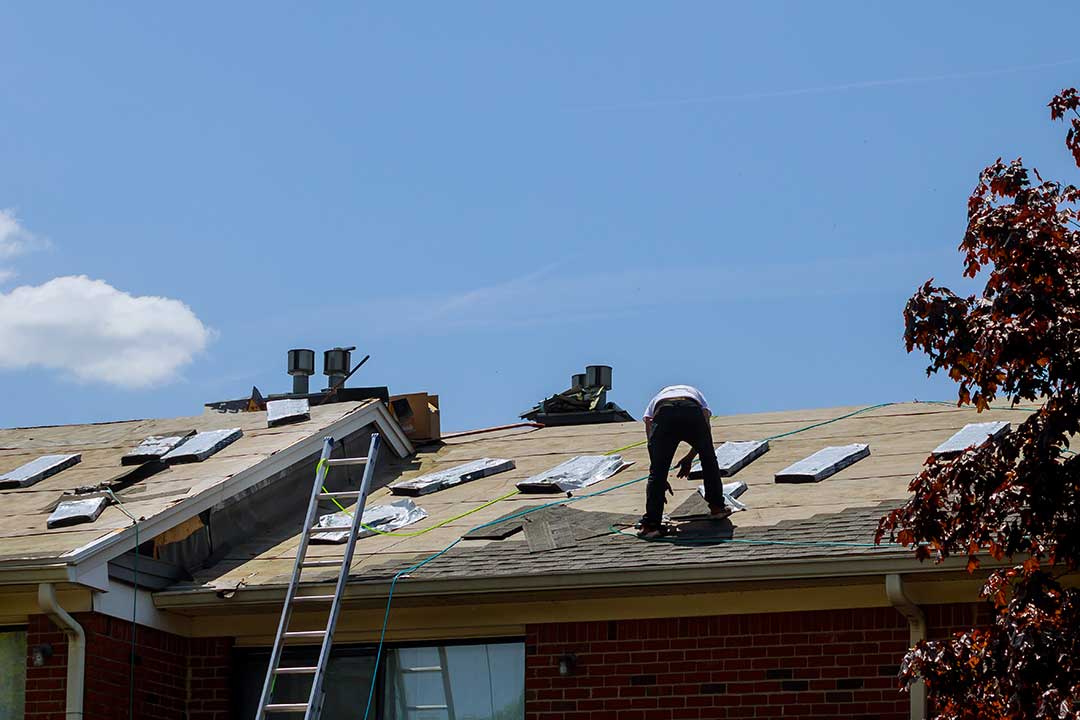
Dothan experiences frequent humidity, strong summer sun, and seasonal storms that challenge roofing materials. Extreme temperature swings can cause shingles to expand and contract, making them brittle over time. Thunderstorms or straight-line winds may displace shingles or loosen roof accessories, even without hail.
Because the city’s rainfall can be heavy at times, even a minor shingle issue can lead to leaks during a storm. Homeowners should also be aware of mildew or algae streaks, especially on shaded or north-facing slopes that stay damp longer after rain.
Can You Miss Signs of Roof Damage Without Climbing a Ladder?
Many signs of roof trouble can be spotted from the ground or within the home, minimizing risk. From the sidewalk, look for:
- A wavy or uneven roofline
- Shingle edges lifting or curling
- Distinct color changes or dark patches
Check the yard for stray shingle pieces or an unusual buildup of granules near downspouts—both can signal roof wear.
Indoors, regularly inspect ceilings and attic access points for new stains or soft drywall. If a close inspection is needed, only use ladders in safe, stable conditions, and avoid walking on steep or wet roofs.
What Mistakes Do People Make When Checking Roofs?
A common misconception is that a leak or visible hole is the only sign of damage. Many small issues—like minor shingle lifting or early flashing rust—aren’t urgent but can quickly grow into larger headaches during the next storm.
Some homeowners skip roof checks after mild weather, assuming damage only follows hail or severe wind. In reality, normal seasonal aging and steady sun exposure can cause gradual deterioration, especially on older roofs.
What Should Households in Dothan Do Seasonally?
It’s practical for local residents to observe their roofs at least twice a year—often after the spring storm season and again before winter. After weather events, check for new granular loss, shingle misalignment, or outdoor debris. Remove accumulated leaves from gutters to allow water to flow freely.
By learning what a healthy roof looks like and regularly looking for these changes, residents can address small concerns early and safeguard their home’s protection against the city’s humid, storm-prone climate.