
 See My Latest Article on HelloNation

How can homeowners tell whether roof discoloration is mold, mildew, or something else?
Dark or greenish roof stains do not always indicate mold. On asphalt shingles, discoloration may come from algae, mildew, accumulated dirt, leaf residue, or normal aging. A closer look at the color, texture, location, and pattern can help identify the likely cause.
Common signs include:
- Black or blue-green streaks: Often associated with algae growth on shingle surfaces.
- Soft green, gray, or white fuzzy patches: More consistent with mildew or surface mold.
- Raised, irregular growth: May indicate organic matter developing where moisture remains trapped.
- Brown or rust-colored marks: Could come from leaves, pine debris, metal runoff, or staining around roof components.
- Powdery or dusty deposits: May be dirt, lichen residue, or deteriorating roofing material rather than biological growth.
Mold and mildew are more likely when discoloration appears in shaded areas, near clogged gutters, below overhanging trees, or around places where water drains slowly. In Dothan, warm temperatures, humid conditions, and periods of heavy rain can create a suitable environment for moisture-related growth, especially on roofs that receive limited sunlight.
What does roof mold look like?
Roof mold usually appears as uneven patches with a fuzzy, blotchy, or slightly raised texture. The color may range from black and dark green to gray, brown, or white. Unlike a simple stain, mold can look irregular at the edges and may spread across damp organic debris.
Mold is more likely to develop where moisture remains on or beneath roofing materials. Areas that deserve closer attention include:
- Under tree branches that block sunlight
- Around roof valleys where multiple slopes direct water
- Near clogged or overflowing gutters
- Along poorly ventilated roof edges
- Beneath damaged flashing or loose shingles
- Around roof penetrations, such as vents and chimneys
A visible patch on top of the shingles does not automatically mean mold has penetrated the roof system. In many cases, the growth is limited to surface contamination. However, persistent moisture can contribute to shingle deterioration, wood decay, and interior water damage over time.
How does mildew differ from mold?
Mildew is generally a surface-level fungal growth that appears as a thin, flat coating. It may look white, gray, yellow, or pale green and often develops in damp, shaded places. Mold tends to be thicker, more irregular, and darker, although appearance alone cannot provide a certain identification.
The terms are often used interchangeably in everyday conversation, and laboratory testing is usually required to identify a specific species. For roofing purposes, the more practical question is whether moisture is allowing biological growth to continue.
If a roof repeatedly develops mildew or mold-like patches, cleaning the visible area without correcting the moisture source may only provide a temporary improvement. Shade, poor drainage, trapped debris, and inadequate ventilation should also be considered.
Can black streaks on shingles be mold?
Usually, black streaks on asphalt shingles are caused by algae rather than mold. The streaks often run downward with rainwater and may become more noticeable on lighter-colored roofing. Algae can make a roof look dirty, but it does not necessarily mean the roof is leaking or structurally unsound.
Mold-like growth may appear thicker or more patchy, especially where leaves and moisture accumulate. A roof can also have both algae and mildew at the same time.
Black staining should be inspected more carefully if it is accompanied by:
- Soft or curling shingles
- Granules collecting in gutters
- Damp attic insulation
- A musty indoor odor
- Water marks on ceilings or upper walls
- Sagging roof decking or visible wood deterioration
Surface discoloration alone is not a reliable way to judge the remaining life of a roof. The condition of the shingles, underlayment, flashing, ventilation, and decking matters more than color by itself.
Where is roof mold and mildew most likely to appear?
Moisture-related growth usually appears on the part of the roof that dries most slowly. North-facing or heavily shaded slopes may stay damp longer, but tree cover, roof pitch, and drainage can matter just as much.
In the local climate, homeowners may notice growth after extended wet periods or on roofs surrounded by mature vegetation. Leaf litter can hold moisture against shingles, while blocked gutters may allow water to back up beneath roof edges.
The following locations deserve regular visual checks from the ground:
- Shaded roof slopes
- Roof sections below large tree limbs
- Valleys and low-slope areas
- Gutter lines and roof edges
- Areas near plumbing vents or other penetrations
- Places where roof surfaces meet walls
- Sections with visible moss, lichen, or accumulated debris
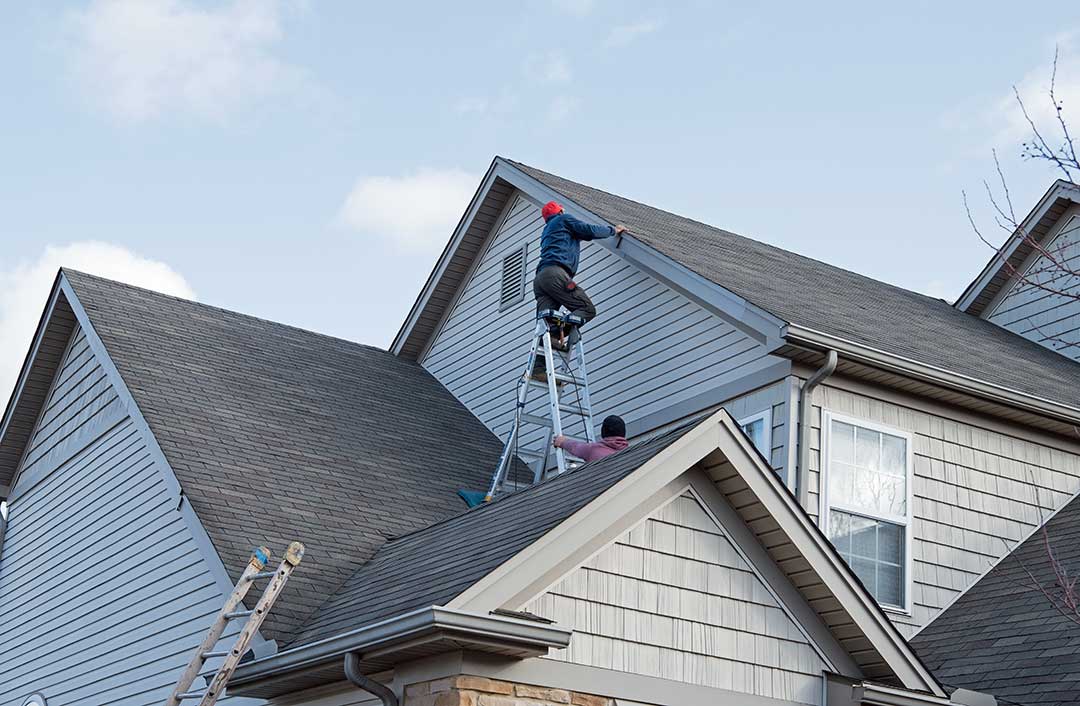
A roof does not need to look heavily overgrown to have a moisture problem. Small recurring patches can signal a drainage or ventilation issue.
Is roof mold dangerous inside the house?
Roof growth on the exterior does not automatically mean indoor mold is present. Exterior mold, mildew, and algae become an indoor concern when water enters the roof system or when moisture remains in the attic or ceiling assembly.
Warning signs inside the home include musty odors, bubbling paint, stained drywall, damp insulation, peeling ceiling finishes, or recurring discoloration after rain. These symptoms may result from a roof leak, condensation, plumbing problem, or poor attic ventilation.
People with asthma, allergies, or other respiratory sensitivities may be more affected by indoor mold exposure. If visible growth is present inside the living space, disturbing it can spread particles. Children, older adults, and individuals with respiratory conditions should avoid direct exposure during cleanup.
How can homeowners inspect a roof safely?
A ground-level inspection is usually the safest first step. Binoculars can help reveal dark streaks, lifted shingles, moss, debris, or damaged flashing without requiring anyone to climb onto the roof.
From the attic, look for:
- Wet or discolored wood
- Damp insulation
- Water trails beneath roof penetrations
- Condensation on nails or roof decking
- Musty odors
- Daylight visible through areas that should be sealed
Roof surfaces can be slippery even when they appear dry, particularly when algae, mildew, moss, or morning dew is present. Walking on shingles can also cause damage. Ladders, steep slopes, fragile roofing materials, and electrical lines create additional hazards. A roof inspection that requires climbing, entering a confined attic area, or examining suspected structural damage may require trained assistance for safety reasons.
What should not be used to remove roof growth?
Pressure washing is risky for many asphalt-shingle roofs because high-pressure water can remove protective granules, loosen shingles, and force water beneath the roofing material. Harsh household chemicals can damage plants, metal components, sealants, and roofing surfaces.
Scraping growth aggressively may also remove shingle granules or create openings that allow water to enter. Cleaning methods should be compatible with the specific roofing material and should account for runoff, landscaping, gutters, and nearby surfaces.
Preventive maintenance is often more useful than repeated aggressive cleaning. Keeping gutters clear, trimming branches away from the roof, removing loose debris carefully, and maintaining attic ventilation can help the roof dry more quickly.
When does roof growth suggest a larger problem?
Mold or mildew-like growth deserves greater attention when it keeps returning, covers a large area, appears with damaged shingles, or is associated with interior moisture. Growth around valleys, roof edges, and penetrations can be especially significant because those areas are common water-management points.
A small surface stain may be cosmetic, but recurring growth can indicate that water is not draining or evaporating properly. The most useful inspection considers both the visible growth and the conditions supporting it: shade, debris, ventilation, roof age, drainage, flashing, and evidence of leaks.
Understanding the difference between algae, mildew, mold, and ordinary staining helps residents make better decisions without assuming that every dark mark requires roof replacement.