
 See My Latest Article on HelloNation
How Can You Tell When a Roof Needs Replacing?
A roof usually needs replacement when age, widespread deterioration, repeated leaks, or storm damage show that repairs will no longer provide dependable protection. A single missing shingle does not automatically mean the entire roof must be replaced, but several warning signs together deserve closer attention.
For many homes with asphalt shingles, service life often falls somewhere between 15 and 30 years. The actual lifespan depends on shingle quality, roof slope, ventilation, installation, maintenance, and exposure to weather. A roof that is 20 years old but well maintained may perform better than a younger roof that has experienced repeated wind or hail damage.
Age is a starting point, not the only answer. The roof’s present condition matters more than the calendar alone.
What Visible Signs Suggest Replacement May Be Necessary?
Some roof problems can be seen from the ground or from a safe attic inspection. Common signs include:
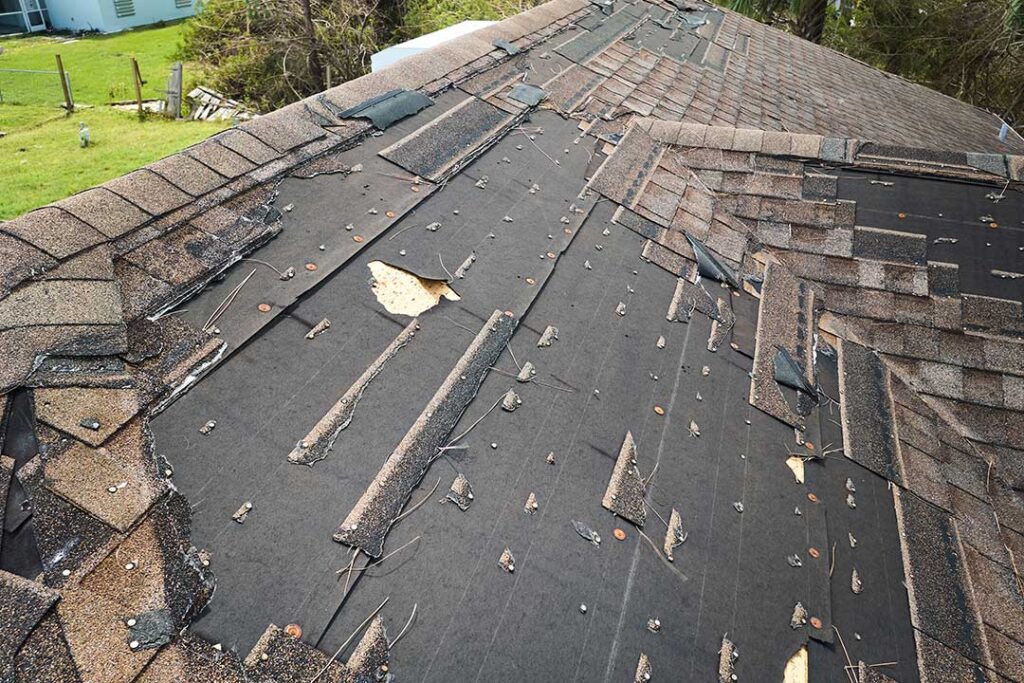
- Shingles that are cracked, broken, curled, blistered, or missing
- Large areas with dark, inconsistent, or unusually bare-looking shingles
- Granules collecting in gutters or around downspouts
- Exposed underlayment, roof decking, or fasteners
- Damaged or deteriorated flashing around vents, chimneys, skylights, and wall intersections
- Sagging areas along the roofline or between structural supports
- Moss or algae covering large portions of the roof
- Repeated patches from earlier repairs
A few damaged shingles may be repairable, especially when the rest of the roof is in good condition. Replacement becomes more likely when deterioration is widespread or when repairs are appearing in several different areas.
Granule loss deserves careful interpretation. A small amount of granules in the gutters is normal, particularly after installation. A steady or heavy accumulation, combined with thinning or exposed areas on the shingles, can indicate that the protective surface is wearing away.
Do Leaks Mean the Roof Must Be Replaced?
No. A leak does not always require a new roof, but it should not be ignored. The right decision depends on the leak’s source, the age of the roof, the extent of hidden damage, and whether similar problems have occurred before.
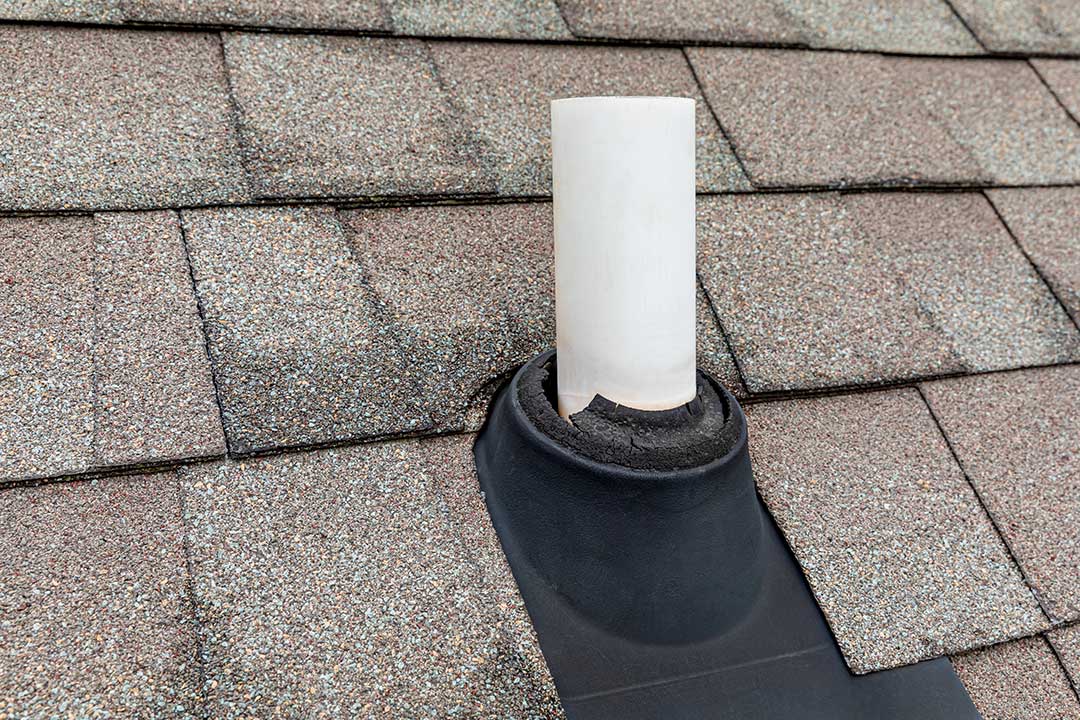
A localized leak may come from damaged flashing, a failed pipe boot, a small area of wind damage, or a problem around a roof opening. These issues can sometimes be corrected without replacing the full roof.
Replacement becomes more practical when:
- Leaks occur in multiple rooms or roof sections
- Water stains return after previous repairs
- The roof deck or framing has been affected by moisture
- Shingles are brittle and difficult to match
- The roof is near the end of its expected service life
- Repair costs are becoming frequent or substantial
Water stains on ceilings may remain visible long after a leak has stopped, so the stain alone does not reveal whether the problem is active. Fresh discoloration, damp insulation, peeling paint, musty odors, or dripping after rain are stronger indications that moisture is still entering.
How Does Weather in Dothan Affect Roof Life?
Dothan experiences hot, humid conditions, strong thunderstorms, heavy rain, and occasional hail or high winds. Those conditions can age roofing materials faster than a mild, dry climate.
Heat can cause shingles to become brittle over time. Humidity and poor attic ventilation may contribute to moisture buildup, while repeated storms can loosen shingles, damage flashing, and expose vulnerable roof edges. Hail may leave impact marks that are difficult to see from the ground, and wind can lift shingles without immediately creating an obvious interior leak.
After a severe storm, a safe visual check from the ground may reveal:
- Missing or shifted shingles
- Debris lodged on the roof
- Exposed underlayment
- Damaged vents or flashing
- New ceiling stains
- Shingle pieces or granules on the ground
Avoid climbing onto a wet or damaged roof. Slippery surfaces, loose materials, and hidden structural damage create unnecessary fall risks. Roofs with visible sagging, large openings, or extensive storm damage should be treated as hazardous until properly inspected.
When Is Storm Damage a Repair Issue Rather Than a Replacement Issue?
Storm damage is not automatically a reason to replace an entire roof. The affected area, the roof’s age, the availability of matching materials, and the condition of the remaining shingles all matter.
A repair may be reasonable when damage is limited to a small, clearly defined section and the existing shingles are still flexible and in sound condition. Replacement may be more appropriate when wind or hail has affected large sections, when shingles are already deteriorated, or when repairs would leave the roof with uneven protection.
A common misconception is that every roof damaged by hail will show large holes. Hail can also cause bruising, loosened granules, cracked surfaces, or weakened areas that are not obvious from the ground. Likewise, a roof may look intact after high winds while fasteners, seals, or edges have been compromised.
Photographs of visible damage, the date of the storm, and records of previous repairs can help document the roof’s history. Insurance coverage depends on the policy, the cause of damage, exclusions, deductibles, and the condition of the roof before the event. A coverage decision should not be assumed simply because a storm occurred.
What Does the Attic Reveal About Roof Condition?
The attic can provide clues that are not visible from outside. During daylight, small points of light may indicate openings in the roof covering. Other warning signs include:
- Damp or compressed insulation
- Water marks on roof decking
- Dark staining around nails or rafters
- Mold-like growth caused by persistent moisture
- Rusted fasteners
- Condensation on the underside of the roof deck
- Poor airflow through soffit, ridge, or other ventilation areas
Not every attic moisture problem means the roof covering has failed. Condensation, plumbing leaks, bathroom exhaust, and inadequate ventilation can also create water-related damage. Separating roof leaks from indoor moisture problems is essential before deciding on replacement.
Can a Roof Be Repaired Instead of Replaced?
Repair is often appropriate when damage is limited, the roof is relatively young, and the surrounding materials remain in good condition. Replacement becomes more sensible when isolated repairs no longer solve recurring problems.
Consider the overall pattern rather than one defect. A roof with one damaged vent and otherwise healthy shingles may need a targeted repair. A roof with multiple leaks, widespread curling, brittle shingles, deteriorated flashing, and a sagging deck has likely moved beyond simple maintenance.
Matching older shingles can also become difficult. Even if the color appears similar at the store, differences in weathering, texture, and manufacturing can make a repair visible. This does not automatically require replacement, but it is a practical consideration when evaluating the appearance and consistency of the roof.
How Should Homeowners Decide?
A useful decision process includes four questions:
1. How old is the roof? Find installation records, closing documents, permits, or previous inspection reports if available.
2. Is the damage isolated or widespread? One repair area is different from deterioration across several slopes.
3. Has the roof leaked repeatedly? Recurring water entry often points to a larger underlying problem.
4. Can the remaining materials provide dependable protection? Appearance alone is not enough; the roof must still shed water and resist wind.
For safety and accurate diagnosis, roofs with structural sagging, active leaks near electrical fixtures, extensive storm damage, or difficult access require qualified inspection. Until the condition is understood, keep people away from unsafe areas and use temporary protection only when it can be installed without climbing onto a dangerous surface.
The best time to plan replacement is before water enters the living space. Regular ground-level checks, attic observations, gutter cleaning, and prompt attention after severe weather can reveal deterioration early enough to make a deliberate decision rather than an emergency one.