
 See My Latest Article on HelloNation
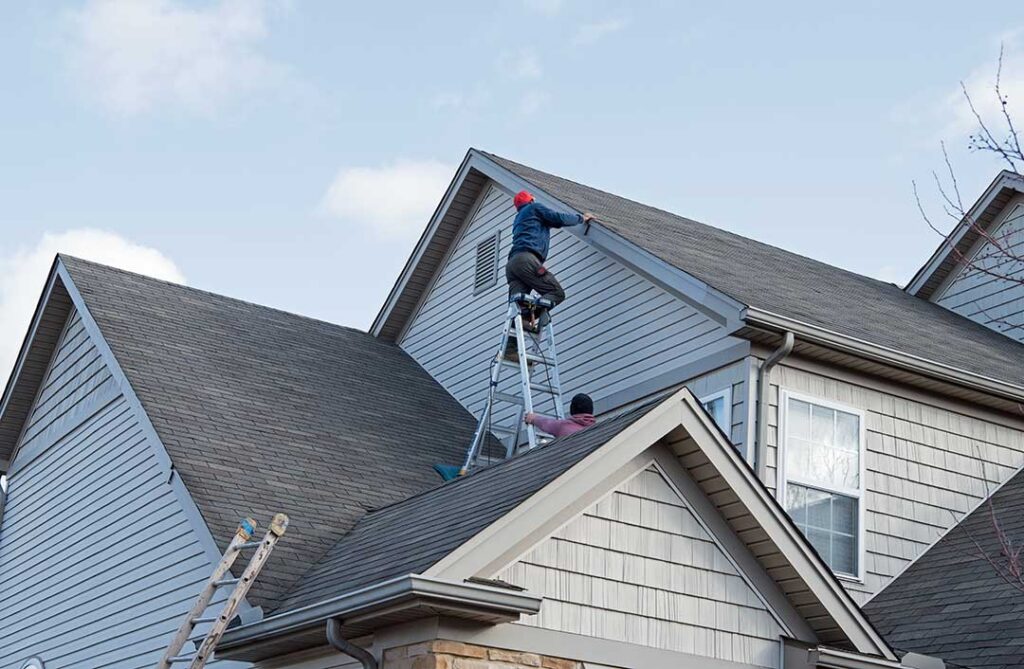
A professional roof inspection is a systematic review of the roof’s visible surfaces, drainage features, flashing, ventilation, attic space, and signs of moisture or structural stress. It is more detailed than looking for missing shingles from the ground.
For homeowners in Dothan, AL, inspections can be especially useful after strong thunderstorms, periods of heavy rain, high heat, or extended humidity. A roof may appear intact while water is entering around a vent, chimney, skylight, valley, or flashing joint.
What happens before the inspection begins?
The inspector usually starts by asking about the property’s history and any concerns noticed by the occupants. This conversation helps focus attention on areas that may not be obvious during a visual review.
Common questions include:
- When was the roof installed?
- Has the roof leaked, stained ceilings, or developed musty odors?
- Have repairs or replacements been completed?
- Was the home recently exposed to severe wind, hail, or falling branches?
- Are certain rooms warmer, colder, or more humid than others?
- Has anyone noticed granules in gutters or loose roofing material around the home?
The inspector may also review available records, such as previous inspection reports, repair invoices, or information about the roofing material. These details can help distinguish normal aging from a newer problem.
Will the inspector walk on the roof?
Often, but not always. Roof access depends on pitch, surface condition, height, weather, material, and safety concerns.
A walkable asphalt-shingle roof may be examined closely from the surface. Steep roofs, fragile materials, wet surfaces, or roofs with suspected structural damage may require inspection from ladders, roof edges, attic spaces, binoculars, or specialized cameras instead.
A careful inspection does not require unnecessary foot traffic. Walking on brittle shingles, aging membrane roofing, or certain tile products can cause damage. The inspection method should match the roof’s design and condition.
What does the exterior roof inspection include?
The exterior review looks at both the roofing material and the systems that help move water away from the home. The inspector may examine:
- Shingles, metal panels, tiles, or other roof coverings
- Missing, cracked, curled, blistered, loose, or displaced materials
- Exposed fasteners and deteriorated sealant
- Valleys where two roof sections meet
- Ridges, hips, and roof transitions
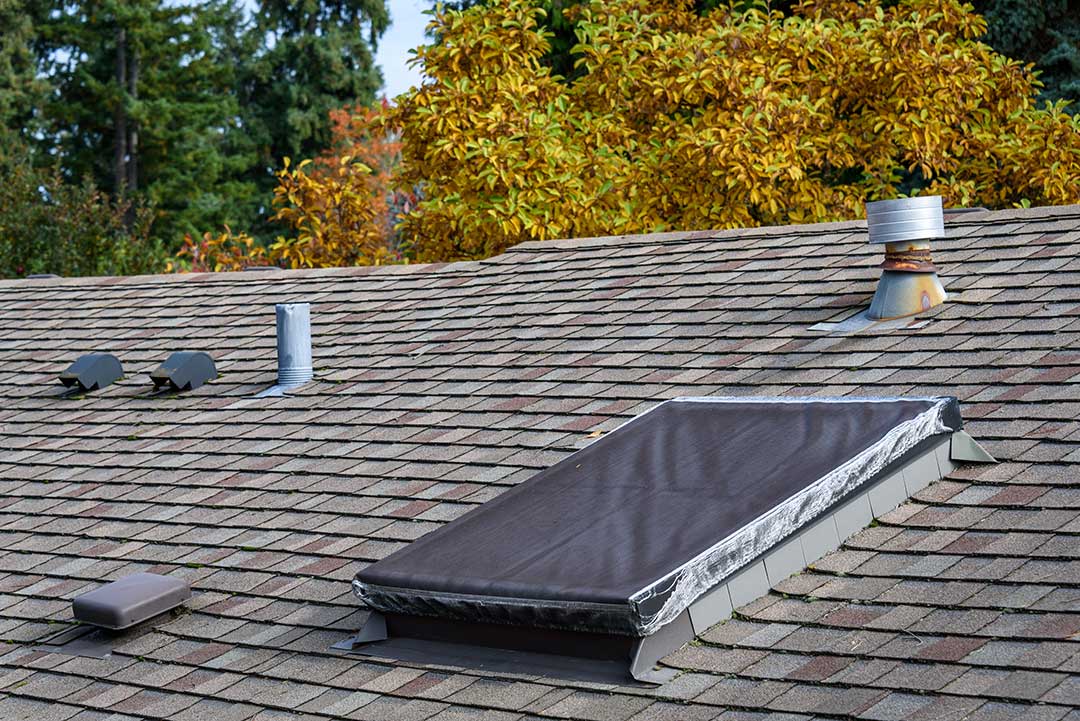
- Flashing around walls, chimneys, vents, skylights, and other penetrations
- Drip edges and roof-to-wall connections
- Gutters, downspouts, and visible drainage problems
- Signs of wind damage, hail impact, algae growth, or prolonged moisture
In the local climate, heat and humidity can accelerate surface aging and contribute to algae or moss-like growth in shaded areas. Growth by itself does not always mean the roof is failing, but it can hold moisture against roofing materials and make surface defects harder to see.
The inspector also looks for installation concerns. For example, water may enter where flashing is poorly integrated, where a valley has accumulated debris, or where roofing materials meet an addition with an improperly sealed transition.
What happens inside the attic?
The attic can reveal problems that are not visible from above. A roof inspection may include checking the underside of the roof deck, insulation, ventilation openings, rafters, trusses, and areas around penetrations.
Signs the inspector may look for include:
- Dark water marks or staining
- Damp insulation
- Mold-like growth or musty conditions
- Rusted nails or fasteners
- Daylight showing through unintended openings
- Sagging or discolored roof decking
- Condensation on nails or metal components
- Inadequate or blocked ventilation
- Evidence of pests or nesting activity
Not every ceiling stain means the roof covering itself is defective. Plumbing leaks, air-conditioning components, bathroom exhaust, and condensation can create similar marks. The purpose of the inspection is to identify patterns and trace likely sources rather than assume every stain comes from the roof.
Poor attic ventilation can also contribute to premature aging. A hot, humid attic may increase stress on roofing materials and create conditions that encourage condensation. Ventilation should be evaluated as part of the overall roof system, not as an isolated feature.
Does an inspection check the gutters and drainage?
Yes. Water management is a major part of roof performance. An inspector checks whether water can leave the roof efficiently and whether drainage components are directing it away from walls and foundations.
Problems may include clogged gutters, loose sections, undersized downspouts, disconnected extensions, standing water, or roof slopes that drain toward vulnerable areas. Heavy rain can expose drainage weaknesses quickly, especially when leaves, pine needles, or other debris restrict flow.
Water overflowing from a gutter does not always mean the gutter itself is the only problem. The cause may involve roof pitch, flashing, debris, settlement, or a downspout that cannot handle the volume of runoff.
What will the final report usually contain?
A useful inspection report describes the roof’s condition, documents visible defects, and separates urgent concerns from routine maintenance. It may include photographs, notes about inaccessible areas, estimated remaining service life, and recommendations for monitoring or repair.
Reports often classify findings into categories such as:
- Immediate concern: Active leaks, major openings, structural damage, or unsafe conditions
- Repair recommended: Defects that may worsen if left unaddressed
- Maintenance item: Debris, minor sealant deterioration, surface growth, or drainage adjustments
- Monitor: Aging or developing conditions that do not yet require immediate action
The report should explain what was observed without overstating certainty. A visual inspection cannot see every layer beneath a roof covering, and hidden damage may only become clear when materials are removed.
What is not included in a standard roof inspection?
A standard inspection is usually non-destructive. It generally does not involve removing shingles, cutting into the roof deck, testing every fastener, or opening concealed assemblies.
It may also be separate from:
- A structural engineering evaluation
- A mold assessment
- An indoor air-quality test
- A pest inspection
- An insurance claim determination
- A full repair cost estimate
- A guarantee that the roof will remain leak-free
If serious structural movement, extensive moisture, electrical hazards, or unsafe access conditions are found, additional evaluation may be necessary. Those situations should not be treated as routine roof maintenance.
When is the best time to inspect a roof?
An inspection can be useful at any time, but certain events make it more timely. Homeowners often arrange one after a severe storm, before buying or selling a home, before major remodeling, or when a roof is approaching the later part of its expected service life.
It is also reasonable to inspect after a leak has apparently stopped. Roofing leaks can be intermittent. Wind-driven rain, changing temperatures, and shifting water paths may cause moisture to appear in a ceiling well after the original entry point is no longer active.
Before an inspection, residents can make the process easier by clearing access to the attic, identifying indoor stains, securing pets, and gathering records of past repairs. No one should climb onto the roof to prepare for the inspection, particularly when surfaces are wet, steep, damaged, or difficult to access.
A professional inspection is best understood as a condition assessment, not a prediction of an exact replacement date. It helps identify how the roof is performing now, what risks deserve attention, and which conditions can be safely monitored.